Real Estate
Mandatory curfew ordered for McCaysville after devastating flooding
By Mohammed Ahsan
Advertisement · Why this ad?
Mohammed is a tech journalist with a Bachelor's degree in Computer Science from the University of Georgia. His previous work includes writing for NPR affiliate GPB News, where he focused on how technology intersects with daily life in Georgia.
More from Mohammed →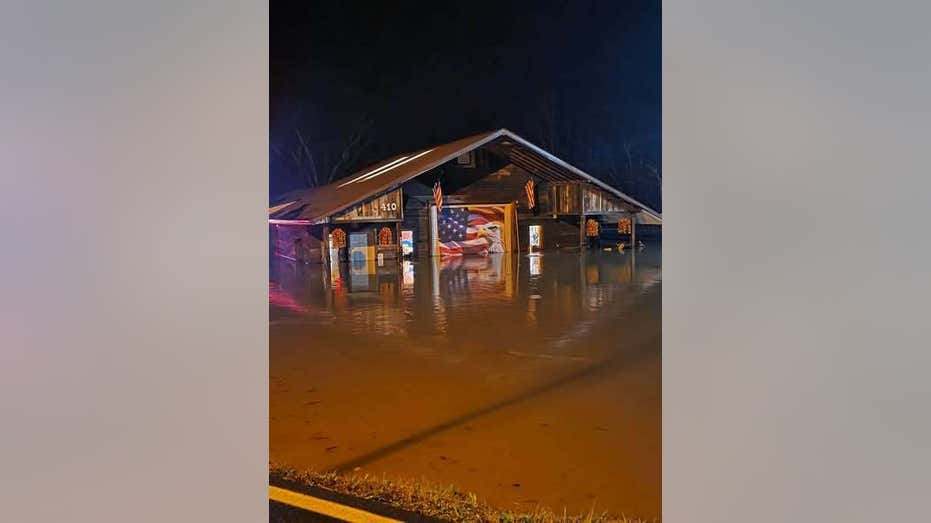
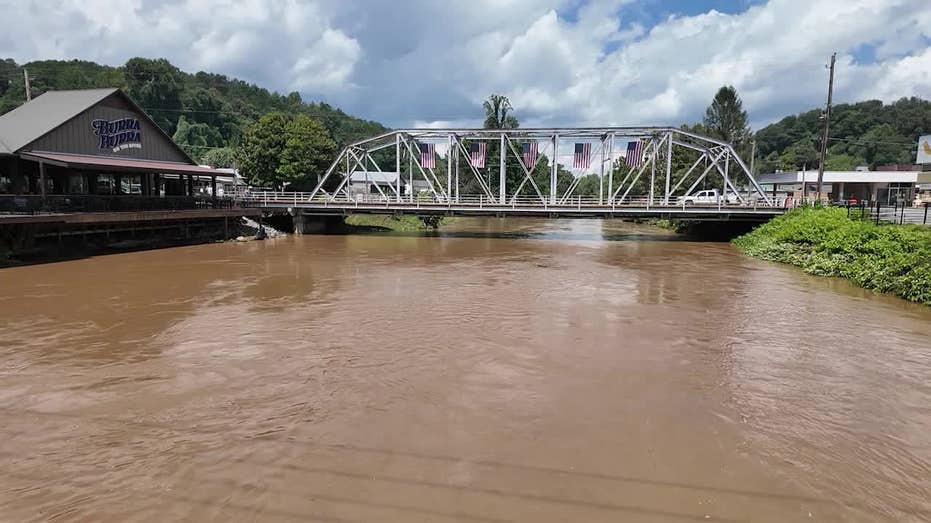
On a quiet Thursday morning in Fannin County, a community known for its rugged mountain beauty and close-knit families, the tranquility was shattered by an unforgiving wall of water. Residents awoke to scenes of submerged streets, damaged homes, and emergency responders racing against time to rescue those trapped in the floodwaters. The historic surge of the Toccoa River, swelling to nearly 18 feet—its highest recorded level—left a trail of destruction that will be felt for days, if not weeks, to come. In the midst of this chaos, local families, emergency crews, and officials are grappling with the immediate aftermath and what it means for their community’s future.
Late Wednesday into early Thursday, relentless rainfall soaked the North Georgia mountains, draining rapidly into the Toccoa-Ocoee River basin. The steep terrain funneled the water into lower valleys with such force that the river surged approximately 16 feet in just 12 hours, reaching a record crest near 18 feet. This sudden rise overwhelmed the riverbanks, flooding downtown streets in towns like McCaysville and Copperhill, and inundating homes and businesses in Fannin County. Roads became impassable, and secondary roads and culverts washed out, cutting off entire neighborhoods and stranding residents in their homes.
The flooding was so severe that it prompted a state of emergency declaration by Governor Brian Kemp, mobilizing resources across four mountain counties—Fannin, Gilmer, Union, and Murray. Emergency crews rescued more than 80 residents trapped in the floodwaters, many of whom were pulled from cars and rooftops. The devastation was widespread, with entire communities facing the daunting task of cleanup and recovery. The flooding not only disrupted daily life but also threatened the safety of families and the stability of local infrastructure.
For many in Fannin County, the flooding was a stark reminder of nature’s unpredictability and the importance of community resilience rooted in faith and family. Local residents, many of whom have lived in the mountains for generations, expressed a mixture of shock and resolve. “We’ve seen storms before, but nothing like this,” said Sarah Jennings, a lifelong resident of Blue Ridge. “It’s heartbreaking to see our town submerged, but we’re coming together to help each other rebuild.”
County officials emphasized the importance of staying safe and following emergency directives. Fannin County Schools announced the closure of all public schools on Friday, November 6, to safeguard students and staff from dangerous road conditions. Similarly, the county courthouse and Blue Ridge City Hall will remain closed until assessments are complete. Meanwhile, Gilmer County schools are operating on a normal schedule, highlighting the uneven impact of the flooding across the region. Community leaders urged residents to report property damage through the [Fannin County EMA self-reporting portal](https://www.fannincountyga.gov/emergency-management) to aid in disaster response efforts.
As skies clear and the waters begin to recede, the focus shifts to recovery and rebuilding. County crews are working tirelessly to assess and repair damaged infrastructure, including bridges and roads critical for residents’ safety and daily life. The community is also rallying around families who lost homes or suffered property damage, emphasizing the importance of faith, family, and community support during times of crisis. Local churches and nonprofits are mobilizing to provide aid, shelter, and emotional support to those affected.
Looking ahead, officials are reviewing flood mitigation strategies to better prepare for future storms, especially given the increasing frequency of severe weather events tied to climate change. Residents are encouraged to stay informed through local alerts and to avoid driving through standing water or around barricades, which can be life-threatening. The resilience of North Georgia’s mountain communities—built on strong marriages, faith, and a shared commitment to one another—will be essential as they work toward recovery and renewal.
This flooding event is not just a moment of crisis but also a stark reminder of the region’s ongoing vulnerability to extreme weather, a consequence of both natural geography and climate change. For generations, communities like Blue Ridge, McCaysville, and Copperhill have thrived amid the mountains, but their resilience has often been tested by floods, droughts, and storms. Local historian Dr. William Carter, whose family has roots in Fannin County dating back to the 1800s, notes that the region’s history is intertwined with the land’s unpredictable nature. “Our ancestors built their lives here knowing the mountains could be both beautiful and dangerous,” he explained. “Every flood teaches us more about how we can better prepare and adapt.”
This recent event is also a stark reminder of how climate change is intensifying weather patterns, leading to more frequent and severe storms. Scientists warn that rising temperatures contribute to heavier rainfall and rapid snowmelt, which can exacerbate flooding in mountain regions like North Georgia. Local officials are now grappling with how to incorporate climate resilience into their planning, including improvements to flood control infrastructure and early warning systems.
Among those affected are families like the Thompsons, who have lived in the Blue Ridge area for over 50 years. Their home, perched near the riverbank, was inundated with several feet of water, destroying furniture, appliances, and irreplaceable keepsakes. “It’s heartbreaking to see everything we’ve worked for washed away in a matter of hours,” said Linda Thompson, her voice trembling. “But what gives us hope is the strength of our community. Neighbors are helping neighbors, and that’s what keeps us going.”
Emergency responders, many of whom are volunteers from local fire departments and rescue squads, have been working tirelessly to ensure everyone’s safety. Captain Mike Reynolds of the Blue Ridge Volunteer Fire Department shared that his team responded to dozens of calls overnight. “This was one of the worst floods we’ve seen in decades,” he said. “But the spirit of cooperation and resilience in this community is truly inspiring.”
As the community begins the arduous process of recovery, local officials are emphasizing the importance of long-term planning. This includes updating floodplain maps, enhancing early warning systems, and investing in infrastructure improvements such as better drainage and flood barriers. The community’s experience underscores the need for proactive measures to mitigate future disasters, especially as climate change continues to pose escalating risks.
Meanwhile, residents are encouraged to participate in community meetings and planning sessions to voice their concerns and ideas. Schools, churches, and local organizations are also coordinating volunteer efforts to assist with cleanup, repair, and emotional support. The North Georgia Mountains, with their rugged terrain and resilient people, stand united in facing these challenges, determined to emerge stronger and better prepared for whatever storms lie ahead.
By Mohammed Ahsan
By James Ramirez

By James Ramirez

By Cynthia Blake