Real Estate
North Georgia floods: School closures, impacts for Friday in Fannin County
By Mohammed Ahsan
Advertisement · Why this ad?
Mohammed is a tech journalist with a Bachelor's degree in Computer Science from the University of Georgia. His previous work includes writing for NPR affiliate GPB News, where he focused on how technology intersects with daily life in Georgia.
More from Mohammed →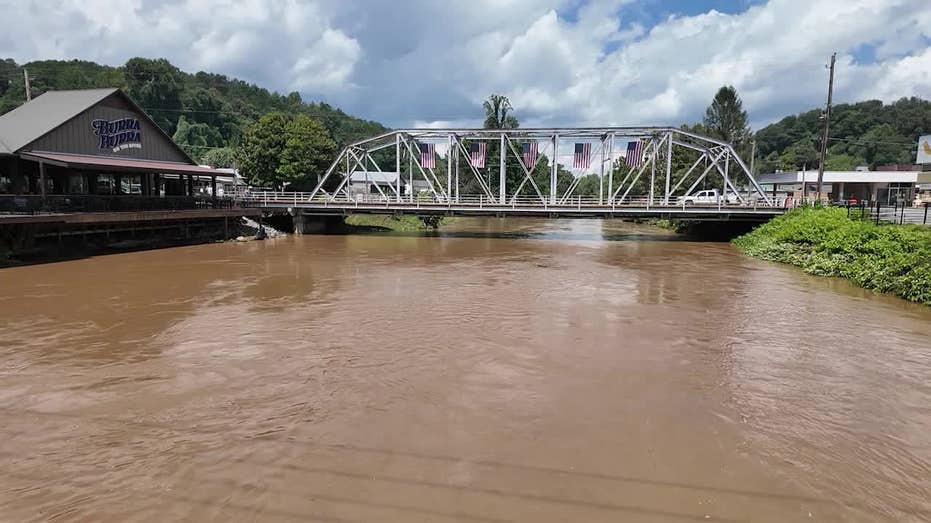
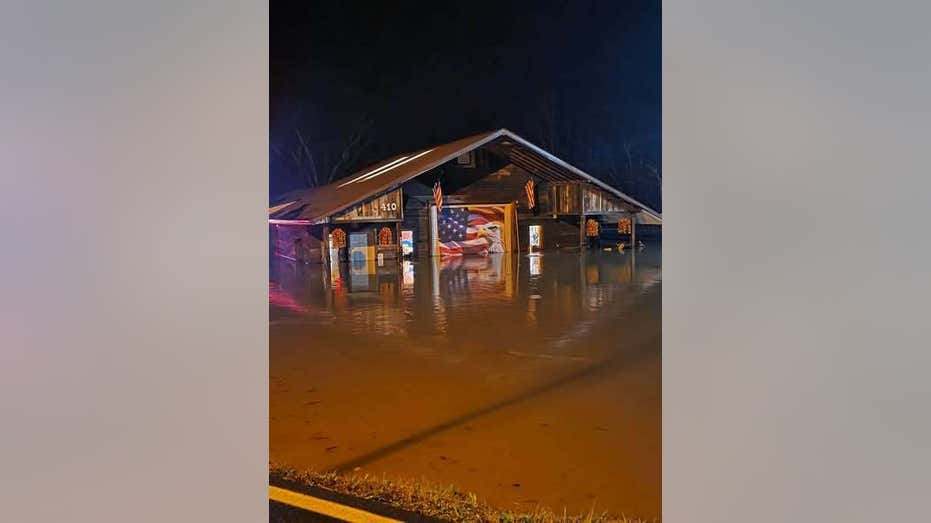
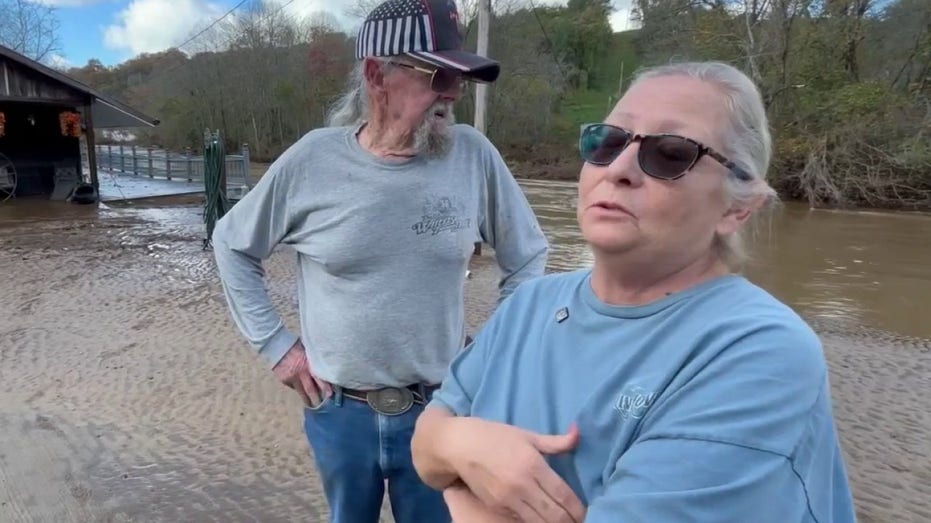
On a chilly November evening, the quiet streets of McCaysville, Georgia, are eerily silent. The usual hum of activity has given way to stillness, broken only by the distant sound of emergency crews working tirelessly amidst the aftermath of devastating floods. For residents like Sarah Johnson, a local business owner, the floodwaters that surged through her storefront last week are still fresh in her mind. She stands outside her shop, eyes filled with a mixture of exhaustion and hope, as crews continue their work. This scene captures the heart of a community grappling with nature’s fury but united in resilience.
Last week, heavy rainfall overwhelmed the storm drains in McCaysville, causing the Toccoa River to swell dramatically. The floodwaters broke through the city’s defenses, inundating downtown businesses and residential streets. The damage was swift and severe; windows shattered under the force of rushing water, foundational walls buckled, and electrical grids were knocked out, plunging the city into darkness. Emergency crews responded immediately, rescuing dozens of residents trapped by rising waters and battling structural fires caused by gas leaks. The scale of destruction prompted city officials to declare a state of emergency and implement strict safety measures.
The flood’s impact was compounded by the town’s rugged mountain terrain, which contributed to rapid runoff and flash flooding. The event was one of the most severe in recent memory, leaving a trail of debris, mud, and wreckage across the historic district. As floodwaters receded, the extent of the damage became clear: countless homes and businesses were rendered unsafe, and critical infrastructure was compromised. The city’s response has focused on recovery, with authorities prioritizing public safety and damage assessment.
In the days following the flood, the community’s spirit shone brightly amid the devastation. Local residents, many of whom have called McCaysville home for generations, rallied together to support each other. Volunteers organized cleanup efforts, distributing supplies and offering emotional support to those hardest hit. Business owners like Sarah Johnson have expressed gratitude for the outpouring of community support, even as they face uncertain futures. “It’s heartbreaking to see our town like this,” she shared, “but I know we’ll come back stronger because we’re family here.”
Amidst the recovery, city officials emphasized the importance of safety and order. Police Chief Michael O. Earley announced a mandatory nightly curfew from 6 p.m. to 6 a.m., starting November 5, to prevent looting and unauthorized access to damaged properties. Checkpoints have been set up at key entry points into the downtown district, requiring residents and business owners to verify their identities before entry. These measures aim to protect vulnerable structures and ensure emergency crews can operate without interference, especially as the city assesses structural safety and begins repairs.
The community’s resilience is evident in the way residents are supporting one another through the hardship. Local churches and nonprofits are organizing food and supply drives, recognizing that many families are facing financial strain. The city’s leadership continues to call for patience and prayer, understanding that recovery will take time but emphasizing that unity and faith are vital in overcoming adversity.
McCaysville’s history is deeply intertwined with its rugged mountain landscape and the Toccoa River, which has shaped both its economy and culture. Founded in the late 1800s as a railroad town, McCaysville has long been a hub for commerce, tourism, and outdoor recreation. The town’s scenic beauty attracts visitors year-round, especially for its proximity to the Blue Ridge Mountains and the Georgia-Tennessee border. However, this natural beauty comes with inherent risks, particularly during heavy storms and rapid snowmelt, which can trigger flash floods like the one experienced last week.
Many longtime residents remember previous floods, but few have seen the kind of devastation that recent storms have wrought. The community’s resilience is rooted in its history of overcoming adversity—be it economic downturns, fires, or floods. Local historian and retired teacher, Martha Williams, notes that these events are part of McCaysville’s story: “Our town has always faced challenges from nature, but each time, we’ve come back stronger, more united, and more determined to protect what makes this place special.”
For McCaysville residents, the recent flooding isn’t just about property damage; it’s about the disruption of daily life, livelihoods, and the very fabric of their community. Many families have lost sentimental mementos, and small business owners face uncertain futures as they assess damages and plan repairs. The economic impact is tangible, with local shops and restaurants temporarily shuttered, and tourism—an important sector—taking a hit.
Moreover, the flooding has exposed vulnerabilities in the town’s infrastructure, prompting calls for more comprehensive flood mitigation and resilience planning. Local leaders and residents alike recognize that future storms could be even more severe due to changing climate patterns, underscoring the urgency of investing in flood defenses, better stormwater management, and community preparedness initiatives.
Community organizations, churches, and local government are now working together to develop recovery plans that include mental health support, financial aid, and infrastructure improvements. The goal is not only to rebuild but to do so in a way that makes McCaysville more resilient against future disasters.
Looking ahead, McCaysville’s recovery will be a gradual process. City officials have yet to specify a timeline for lifting the curfew or fully reopening the downtown district to non-residents, emphasizing that safety remains the top priority. Structural engineers and emergency teams continue to evaluate the safety of buildings, bridges, and roads, with repairs expected to take weeks or even months depending on the severity of the damage.
The community’s focus now shifts to rebuilding and resilience. Local government has committed to applying for federal and state aid, which will be essential for funding repairs and mitigation projects. The Fannin County Crisis Track portal remains open for residents and business owners to report damages, which will help authorities allocate resources effectively and advocate for additional support.
In addition to physical repairs, community leaders are emphasizing the importance of mental health and emotional recovery. Support groups, counseling services, and community gatherings are being organized to help residents process their trauma and foster healing. Schools are also developing plans to support students and staff affected by the floods, recognizing that the event has disrupted education and daily routines.
Furthermore, McCaysville’s recovery plan includes long-term infrastructure improvements. These will involve upgrading stormwater systems, reinforcing flood barriers, and implementing green infrastructure solutions like rain gardens and permeable pavements to reduce runoff. The town is also exploring opportunities to enhance its emergency response capabilities, including better early warning systems and community education initiatives.
Despite the challenges, hope remains high. Many residents, including Sarah Johnson, are optimistic about the future. “We’ve faced tough times before, and we always bounce back,” she says. “Our community is strong, and with faith and hard work, we will rebuild what we’ve lost and make McCaysville safer and more beautiful than ever.”
As McCaysville begins this new chapter, its story is one of resilience, unity, and hope—values that have defined this mountain town for generations and will continue to guide its recovery and growth in the years to come.
By Mohammed Ahsan
By James Ramirez

By Cynthia Blake
By Cynthia Blake