
Government
Atlanta announces repair schedule for closed Moores Mill Road bridge
By Gregory Patel
Advertisement · Why this ad?
Gregory is a political science graduate from the University of Alabama who transitioned from working at local radio stations to print journalism. With over 6 years of experience covering local government and community affairs, he gives a voice to underrepresented issues in local policy.
More from Gregory →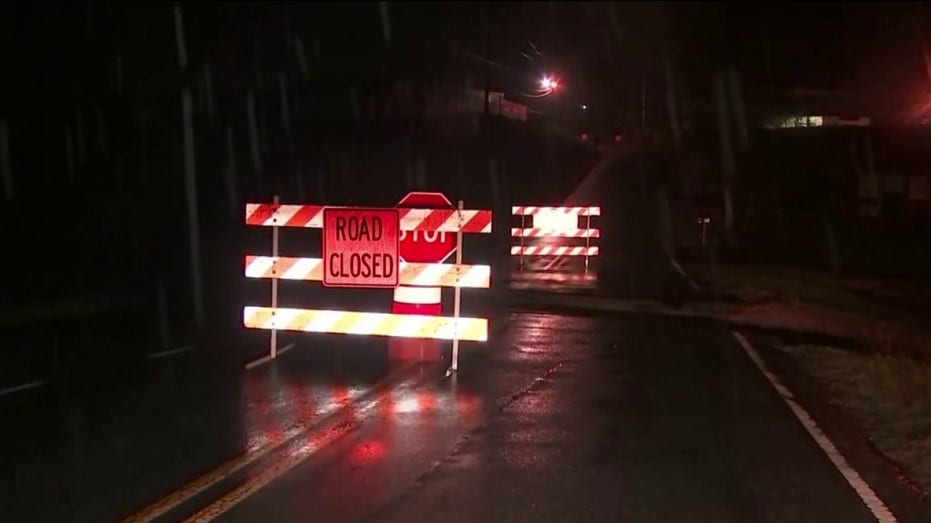
As dawn broke over North Georgia on Thursday, November 5, the serene landscape transformed into a scene of chaos. Residents of McCaysville woke to find their homes and streets submerged under rapidly rising floodwaters, a consequence of the torrential rain that fell overnight. Emergency crews sprang into action, deploying swift-water rescue teams to assist those trapped in their homes and vehicles, while mudslides complicated their efforts.
The heavy rainfall, which accumulated to over 6 inches in some areas, particularly affected northern Gilmer and southern Fannin counties. This deluge sent runoff cascading into the Toccoa River, leading to severe flooding near the Tennessee state line. Emergency evacuations were initiated in McCaysville, where officials issued alerts urging residents along the river to seek higher ground immediately.
In downtown Blue Ridge, flooding was also reported, highlighting the widespread impact of the storm. A flash flood emergency was declared just across the state line, affecting communities near Ducktown. As the water levels rose, residents found themselves trapped, prompting emergency crews to respond quickly.
McCaysville's mayor and City Council declared a state of emergency and closed the city to unauthorized personnel. Access points were shut down, including River Road, Mobile Road, Blue Ridge Drive, and Highway 68 from Tennessee. Only authorized public safety personnel were allowed entry, ensuring that emergency responders could operate without interference as they worked to assist those in peril.
The flooding's impact on the McCaysville community was immediate and profound. Local officials reported that emergency crews received numerous calls overnight from residents stranded in their homes and vehicles, unable to escape the rising waters. Public Safety Director and Police Chief Michael Otis Earley underscored the urgency of the situation, stating, "The water levels began to rise rapidly around some of the low-lying areas along the creeks and rivers, and we had to call in swift-water rescue teams to start rescuing and evacuating people."
As rescue operations unfolded, mudslides created additional challenges for emergency responders, complicating their ability to reach those in distress. Authorities urged residents to avoid flooded roads and never attempt to drive through standing or moving floodwaters, emphasizing the dangers posed by such conditions.
The swift response from local emergency services showcased the community's resilience in the face of adversity. Residents banded together, sharing resources and information as they navigated the crisis. The spirit of cooperation and mutual aid was palpable, as neighbors looked out for one another, reinforcing the importance of community bonds during times of hardship.
The flash flooding followed a pattern of heavy rainfall that had persisted across the North Georgia mountains. The concentration of rainfall raised concerns about further flooding as runoff continued to pour into local waterways. While the most severe flooding was concentrated in the North Georgia mountains, rain also swept through metro Atlanta, where temperatures hovered around 69 degrees in the morning.
As the day progressed, some clearing was anticipated, although the forecast indicated that skies would remain mostly cloudy. Afternoon temperatures were expected to reach the mid-70s, providing a brief respite before cooler temperatures settled in for the remainder of the week. Nevertheless, residents in flood-prone areas were advised to stay alert and monitor emergency alerts as conditions evolved.
As swift-water rescue teams worked tirelessly to evacuate trapped residents, the number of successful rescues remained unclear. However, reports indicated that no injuries or fatalities had been confirmed, a testament to the effectiveness of emergency response efforts. The collaboration between local agencies and the community was crucial in mitigating the impact of the flooding.
Officials expressed gratitude for the swift response of emergency crews and the support from neighboring counties, which provided additional resources to assist in rescue operations. This collective effort underscored the importance of preparedness and community solidarity in the face of natural disasters.
In the aftermath of the flooding, local leaders began assessing the damage and planning recovery efforts. The state of emergency declaration would facilitate access to resources and support for affected residents as they began the long process of recovery. Community organizations and churches in the area also rallied to provide assistance, emphasizing the significance of strong, committed families and faith-based support systems in times of crisis.
Local residents shared their harrowing experiences as they faced the rising waters. For instance, Sarah Thompson, a lifelong McCaysville resident, described how she and her children had to climb to the roof of their home as the waters surged around them. "We never expected it to get this bad. I thought we were safe, but the water just kept coming," she said, her voice trembling with emotion. Her story reflects the fears and uncertainties many faced as they sought safety amidst the chaos.
Meanwhile, community leaders like Mayor Jim McKinney emphasized the importance of coming together during such trying times. "We are a small town, but we have a big heart. We will get through this together," he stated during a press conference. His words resonated with many residents who felt the weight of the situation but also the strength of their community.
As McCaysville and surrounding areas begin to recover from the flooding, the community's resilience and unity will be tested. Local officials are urging residents to remain vigilant and prepared for potential future weather events, emphasizing the need for ongoing awareness and readiness in the face of changing climate patterns.
In the coming days, as recovery efforts unfold, there will be opportunities for residents to come together, reinforcing the bonds that make communities like McCaysville strong. The importance of intact families and authentic faith will be paramount as individuals support one another through the recovery process.
As the waters recede and the community begins to rebuild, the lessons learned from this event will resonate. Strengthening infrastructure, enhancing emergency preparedness, and fostering community connections will be vital steps in ensuring that McCaysville can withstand future challenges. The spirit of the American dream, characterized by resilience and commitment, will shine through as families and neighbors unite to restore their beloved community.
With the immediate crisis subsiding, local officials are now focused on long-term recovery strategies. Emergency management teams are working closely with state and federal agencies to assess the damage and determine eligibility for disaster relief funds. This process is crucial for ensuring that affected residents receive the necessary support to rebuild their lives.
Local businesses, many of which were severely impacted by the flooding, are also part of the recovery conversation. The local Chamber of Commerce is organizing meetings to discuss how to support these businesses through grants and low-interest loans. Community members are encouraged to participate, as their input will be vital in shaping the recovery efforts.
As McCaysville looks towards recovery, there is a renewed focus on infrastructure improvements. Local leaders are advocating for enhanced drainage systems and flood mitigation projects to better prepare for future storms. The community is also discussing the potential for developing emergency response training programs to empower residents with the skills needed to respond effectively in times of crisis.
By Gregory Patel

By Gregory Patel

By Margaret
By Margaret